NEAGP 2020

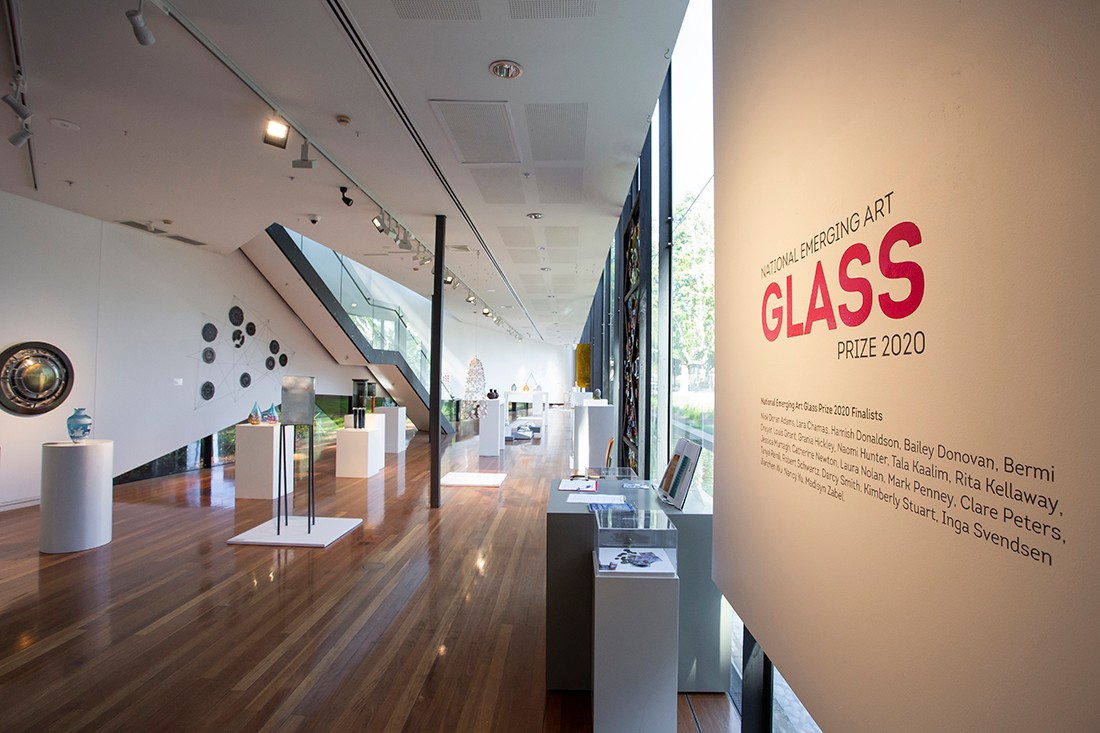
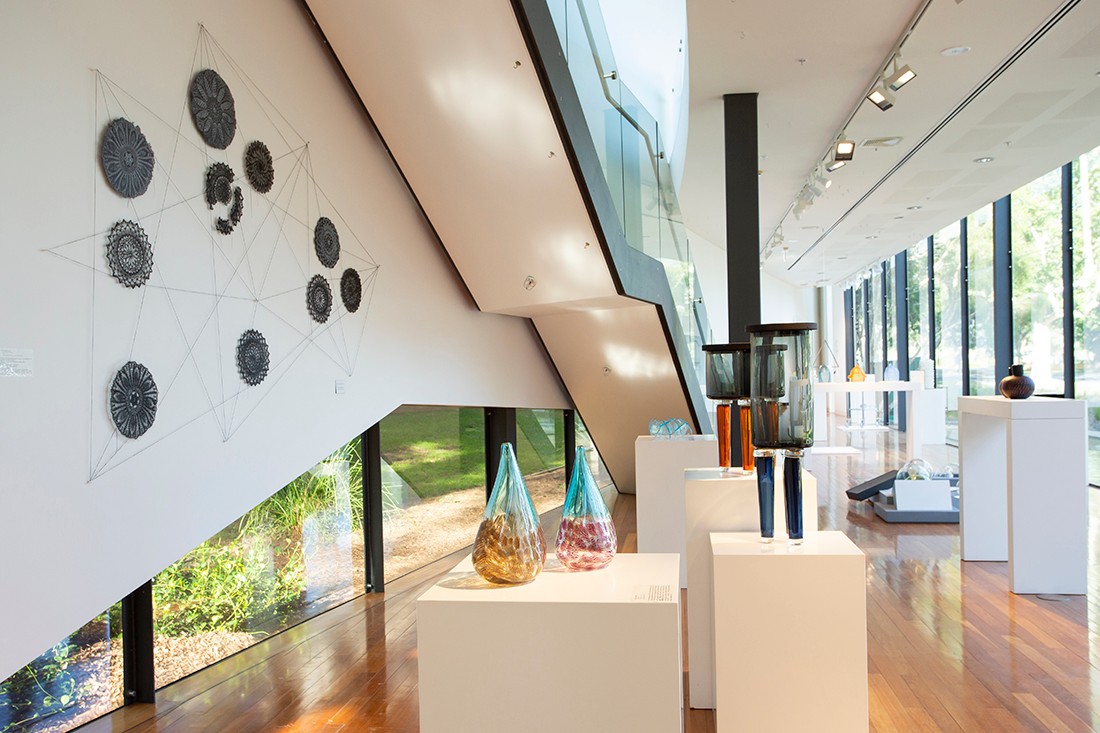
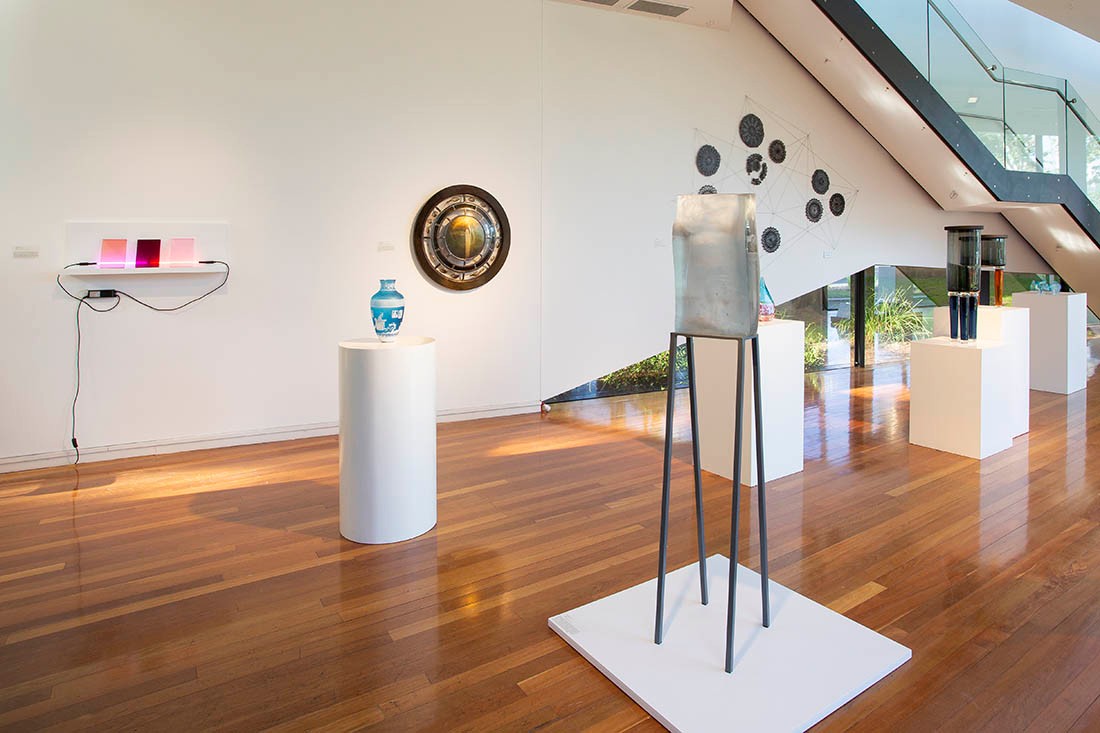
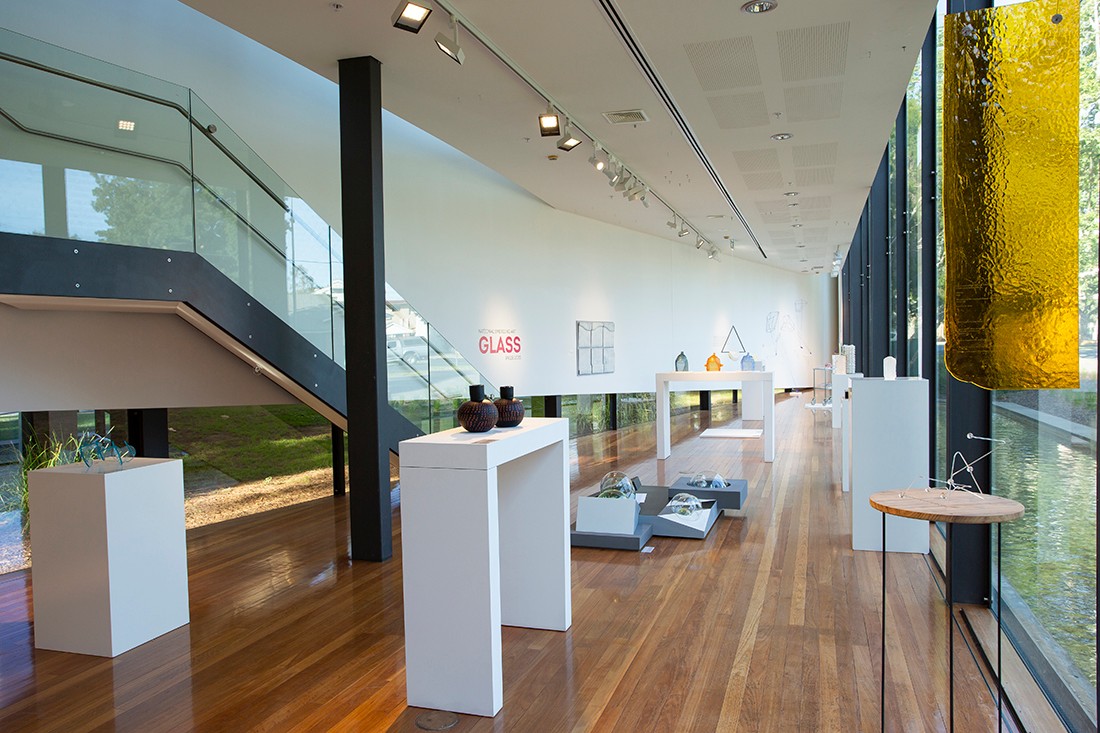
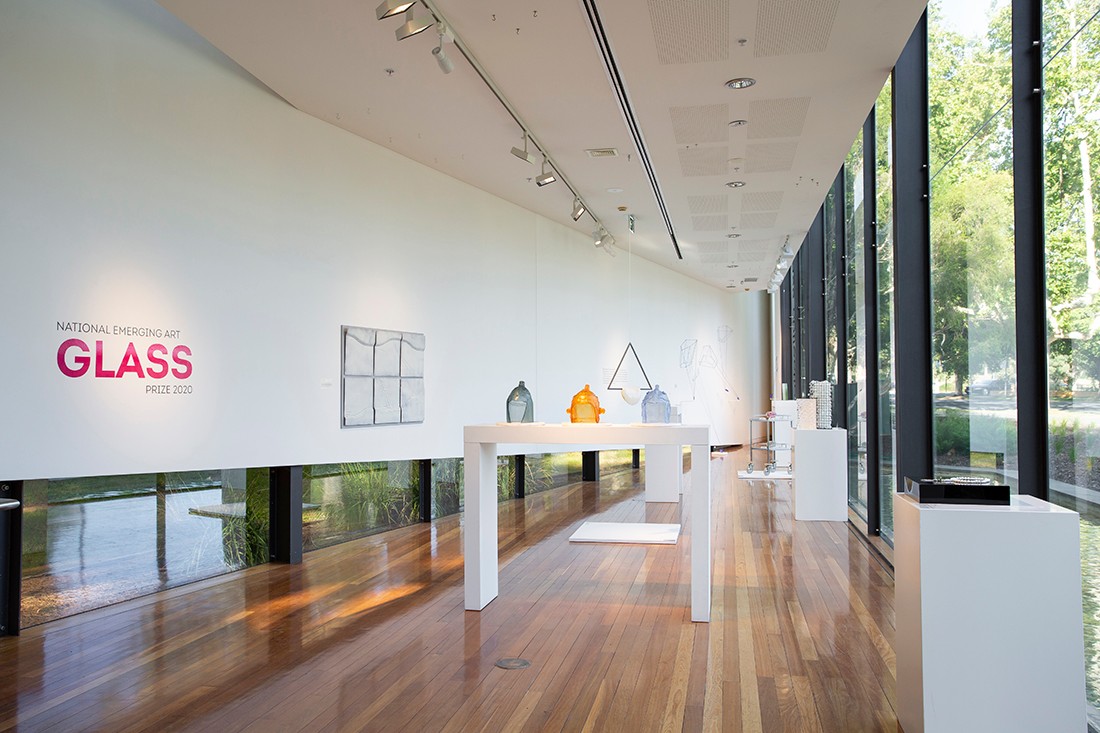
The sixth instalment of Wagga Wagga Art Gallery’s acclaimed National Emerging Art Glass Prize will be on display at the National Art Glass Gallery from 14th March to 21 June 2020.

The Prize is a biennial competition launched in 2010, and was established to reward and promote innovation and excellence in contemporary glass within the emerging sector.

The NEAGP is open to students from universities across Australia and artists that are within 5 years of emerging from their studies. The winner will be announced at the official launch of the exhibition on Friday 27 March 2020.

The winner will receive an all expenses paid masterclass study trip to North Lands Creative Glass in Scotland and $4,000 prize money, in exchange for the acquisition of their work for the National Art Glass Collection, to be held alongside Australia’s most acclaimed and significant glass artists.

NEAGP 2020 Finalists

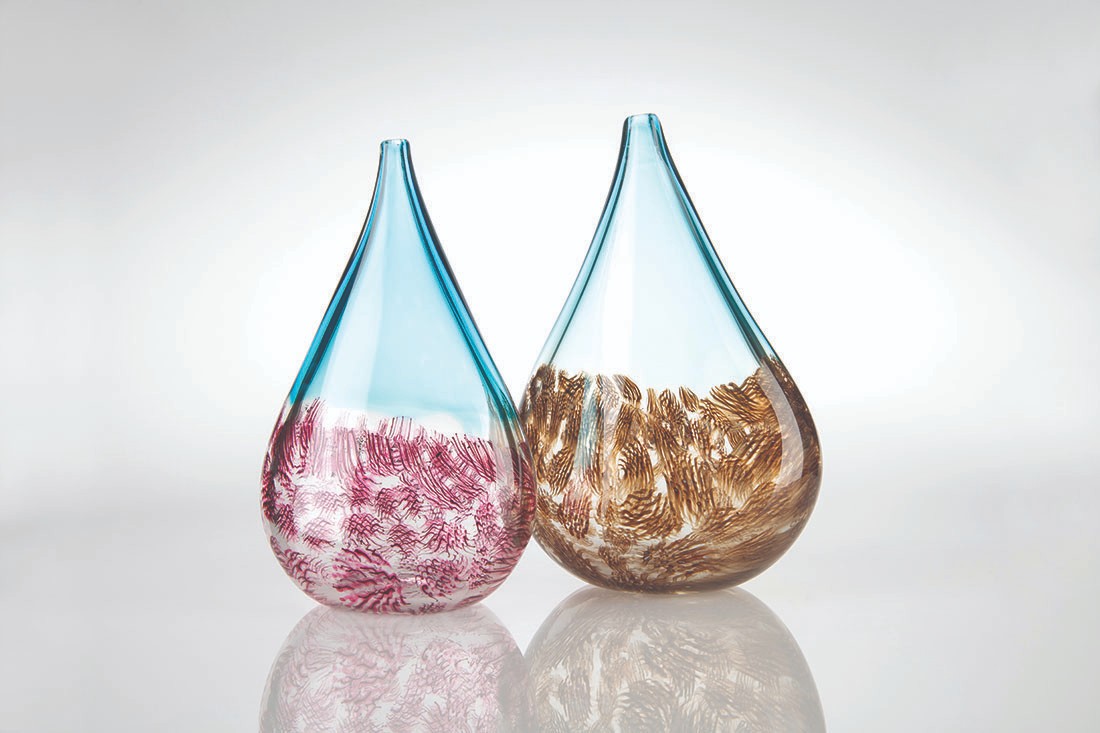
Bailey Donovan, Dry Grass, 2019, blown glass, murrine

My work explores organic forms and patterns represented through traditional glass making techniques. My vessels are inspired by the Venetian technique of murrine and the fluid nature of molten glass. Murrine is used to create thin lines of colour that dance around the vessel as if blown by the wind, giving the appearance of grass, or brushstrokes. This pattern is created by stretching, pulling, and cutting glass colour repetitively and melting into compositions. This work serves as an exploration of traditional glass techniques through a contemporary lens.

Image courtesy Michael Haines

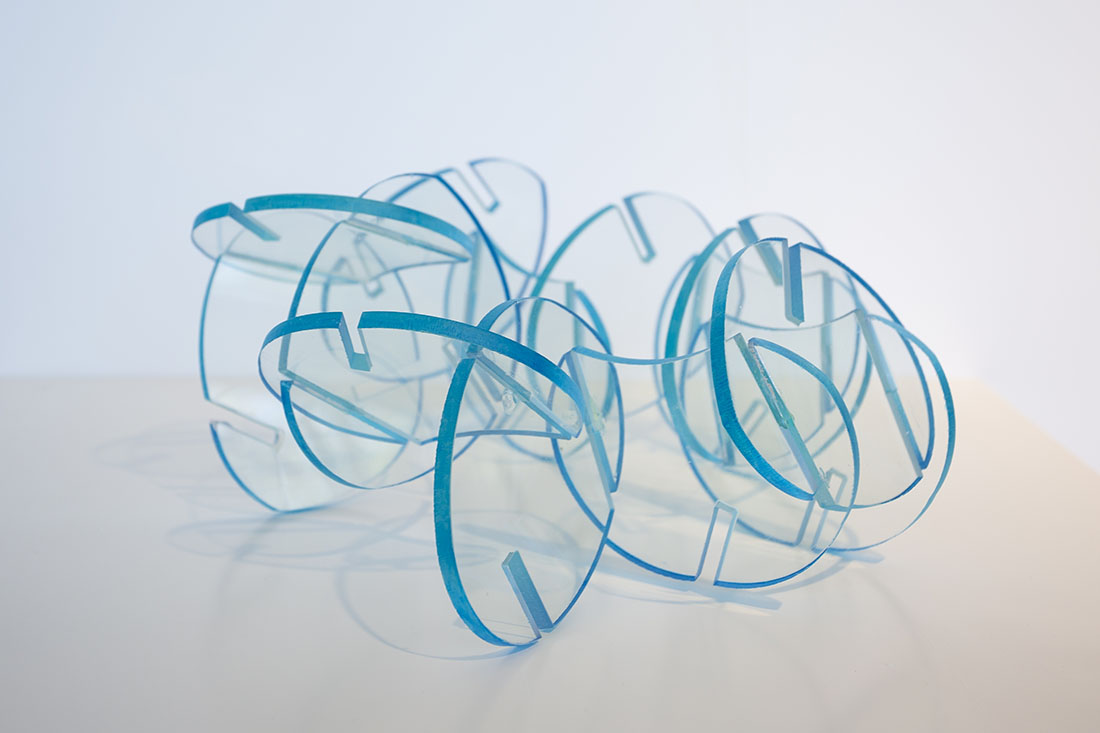
Bermi Dreyer, SiO₂ Na₂ CaO (Green and Yellow) (detail), 2019, waterjet cut float glass, glass paint, epoxy glue

SiO₂ Na₂ CaO (Green and Yellow) aims to reveal the existing relationship between technology, material and nature. I created works that show the symbiotic relationship between pattern, glass and technology; how observations from Pattern in Nature have informed the advancement of technology. I developed a way of designing a structure from geometric patterns and lattices, growing a single glass component into an aesthetically pleasing and visually complex structure. I used the Waterjet machines through the use of Computer-Aided Design (CAD) programs such as Adobe Illustrator, and the Intellimax Program, Layout, to cut out precise components out of glass. This methodology allows the sculpture to exist in a balance of simple form and complex structure.

Image courtesy the artist

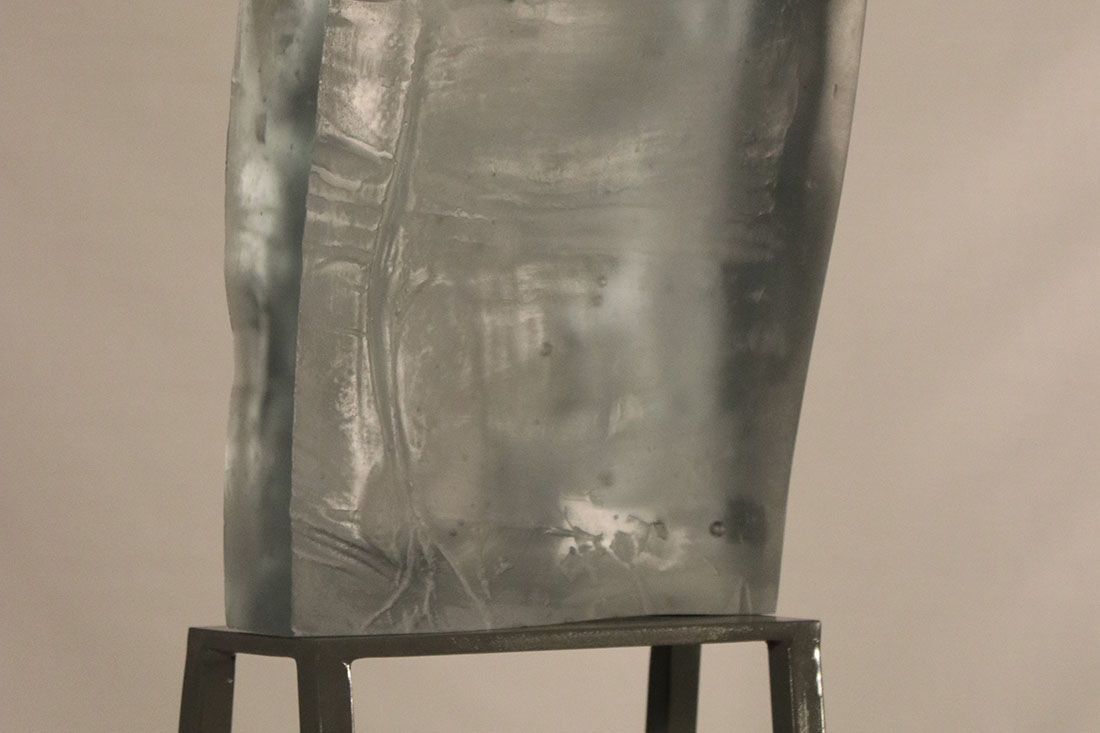
Catherine Newton, Khôra 30 (detail), 2020, cast coldworked glass, steel

Khôra 30 captures the intangible space between mother and child, highlighting areas of closeness and intimacy through depth and light. Representing my interpretation of intersubjectivity where the mother moves freely neither all dominating nor completely self-sacrificing. The concept of intersubjectivity not only gives the mother her own sense of agency, it also allows for infinite forms and textures of relationship between mother and child. Khôra was created from a plaster form of me and my son hugging.

Image courtesy Damien Newton

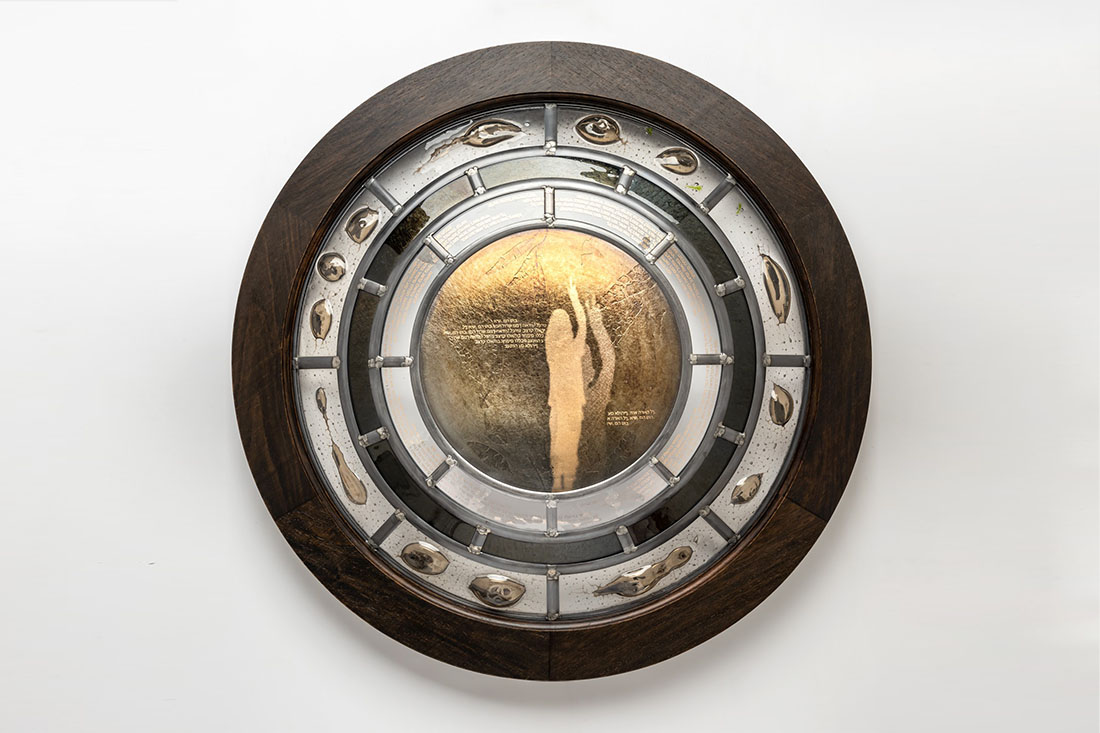
Clare Peters, Out of the Ashes (detail), 2020, kiln formed glass, 22ct gold, charred leaves, timber

This is a story of hope and of promise. The blackened leaves which fell from the sky, now preserved in time as a memory of an event that will forever shape our future. Each one, a story of lives changed, lost and shattered - the ravages of a hungry blaze, the result of a planet in pain. The tiny green flecks embedded as a reminder that with death and destruction comes new life for a ravaged land. With a new perspective comes the hope of a better future.

Image courtesy Greg Piper

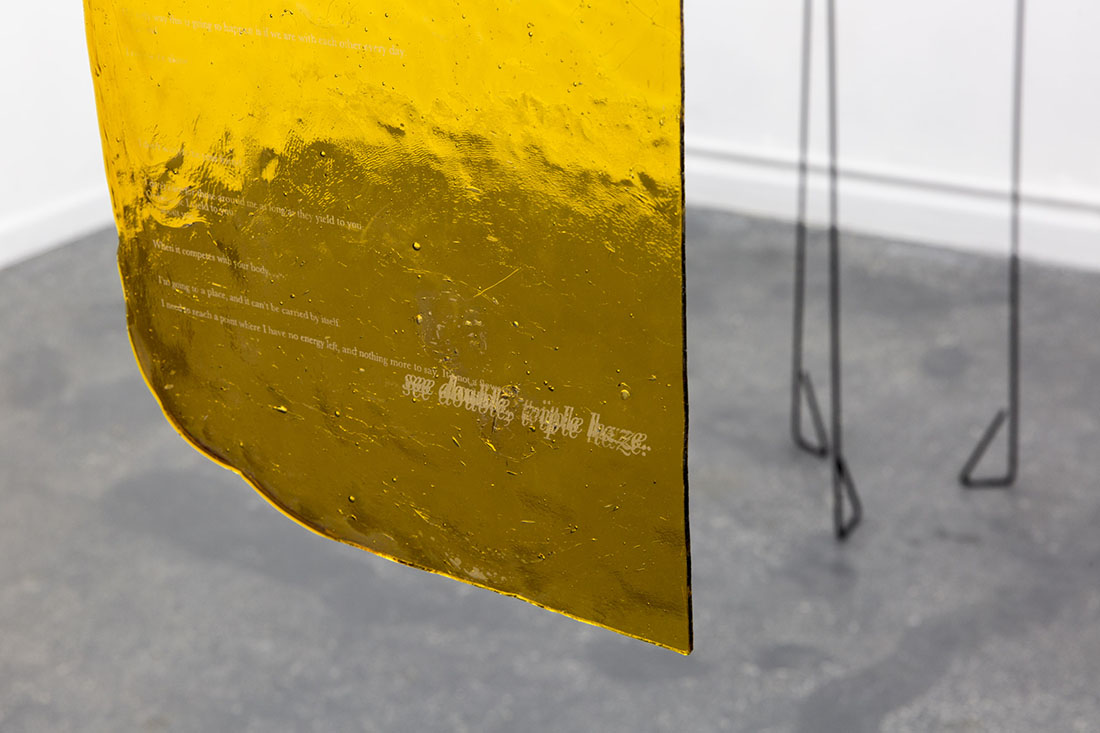
Darcy Smith, Up, down and hold for 30 (detail), 2019, lampworked borosilicate, blackwood timber, steel, laser etching on glass panel

Up, down and hold for 30 represents the container between vulnerability and manipulation in relationships - to one another, oneself and glass. Through the process of heating and cooling borosilicate glass, all of the intricacies of both successful and failed negotiations manifest a kind of physical love letter from the artist to glass.
There are many ways to practice intimacy.

Image courtesy Lucy Foster

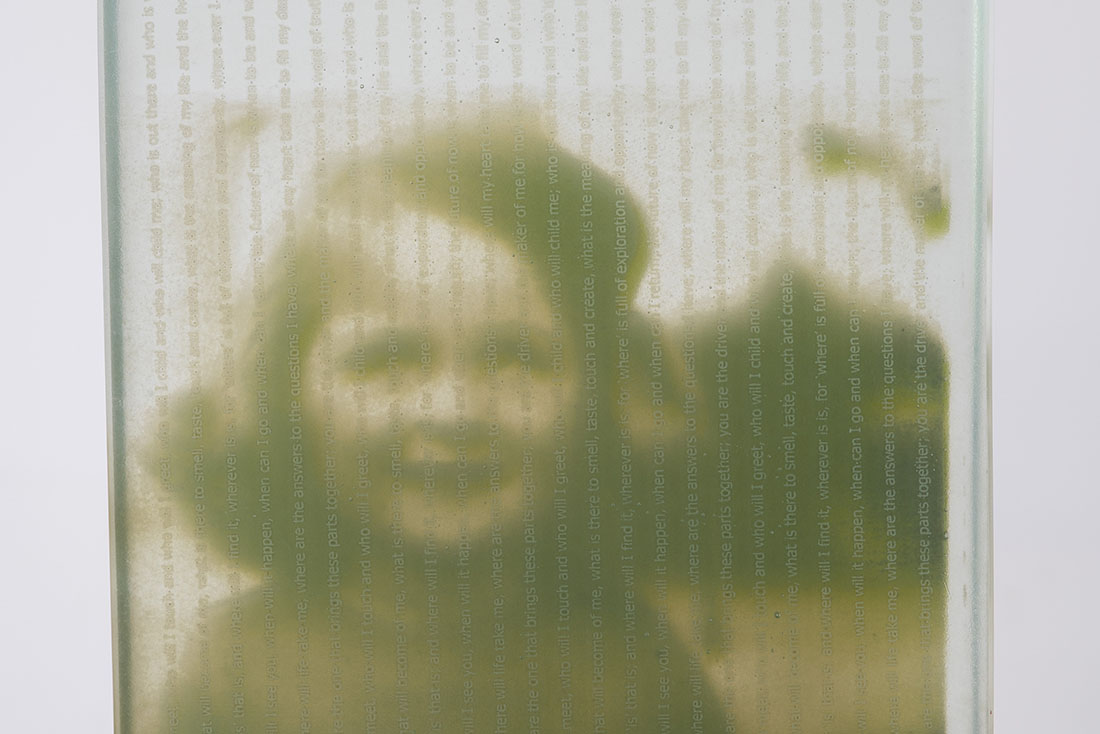
Grania Hickley, Wonderment (detail), 2019, digital screen print, kiln fired

Who am I, who will I meet, who will I touch and who will I greet?  

A photograph of my mother circa 1929, took my breath away.  Not satisfied with just the image, a poem flowed questioning who, what, where her life might take her.
The fragility of memory is a key component of my work.  To memorialise my mother, her image sits between layers of clear glass. This is one of three blocks from the family series.

Image courtesy Shayben Moussa

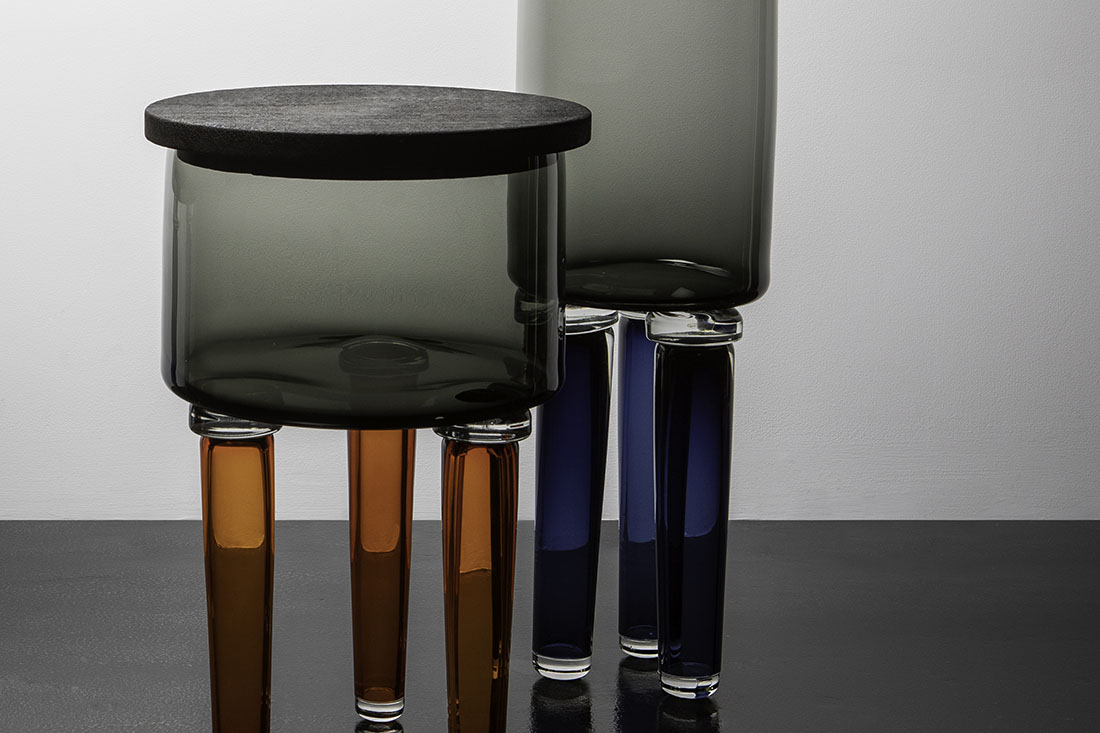
Hamish Donaldson, Water Table #2 (detail), 2019, blown glass, timber

This work is a visual representation of water towers in the Aṉangu Pitjantjatjara Yankunytjatjara (APY) Lands. These towers are scattered within the communities and have tapped into the water table since early colonisation. With rampant modern consumption of natural resources drying up the sacred life sustaining waterholes this work encompasses the duality of being a source of life in a harsh landscape, whilst continuing to impact the environment and oppression of Indigenous Australians. Made from Glass and Silky Oak Timber.

Image courtesy Pippy Mount

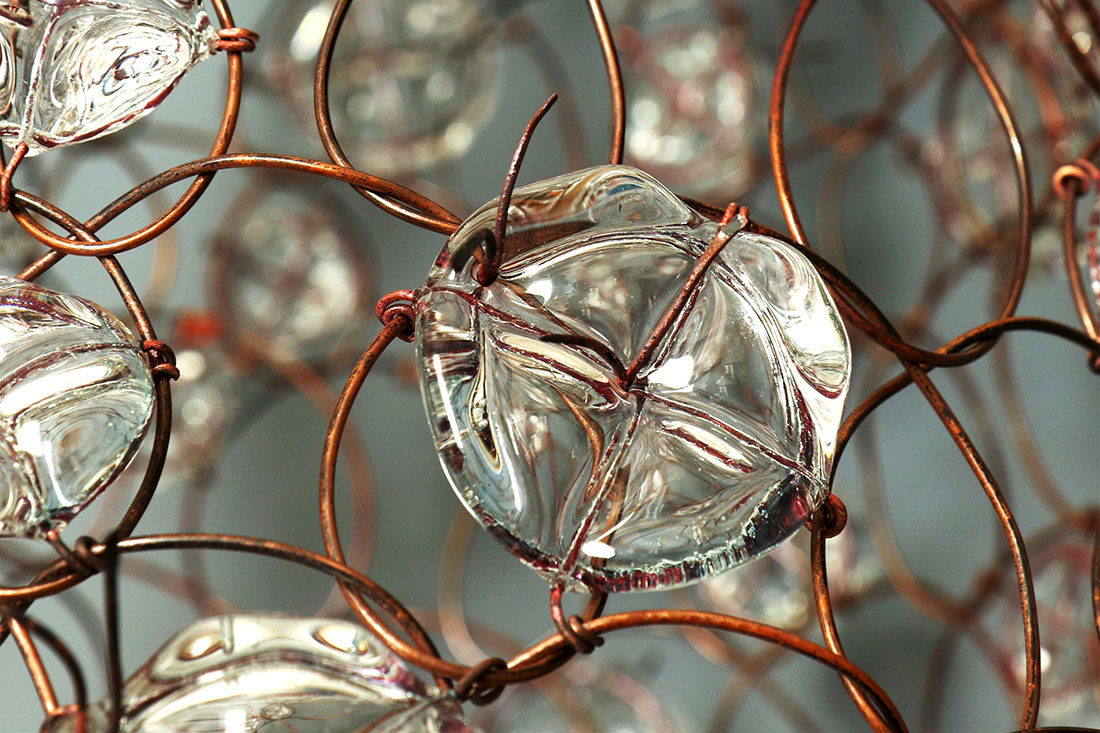
Inga Svendsen, Motus Armis I Body (detail), 2019, kiln formed glass, fused, slumped, copper

Motus Armis is a material exploration of glass and copper with an underlying concept of emotion, instinct and intuition informing the pieces aesthetically and in the making of the work. Motus Armis seeks to give a tangible form to the emotional armour sometimes needed throughout life, affording comfort, protection and balance.

Each component has been made using the alchemic processes of fusing and slumping to bind them together as a unit. The processes require the glass and copper to work together, in a symbiotic relationship, protecting and supporting each other throughout these transformative stages.

Image courtesy the artist

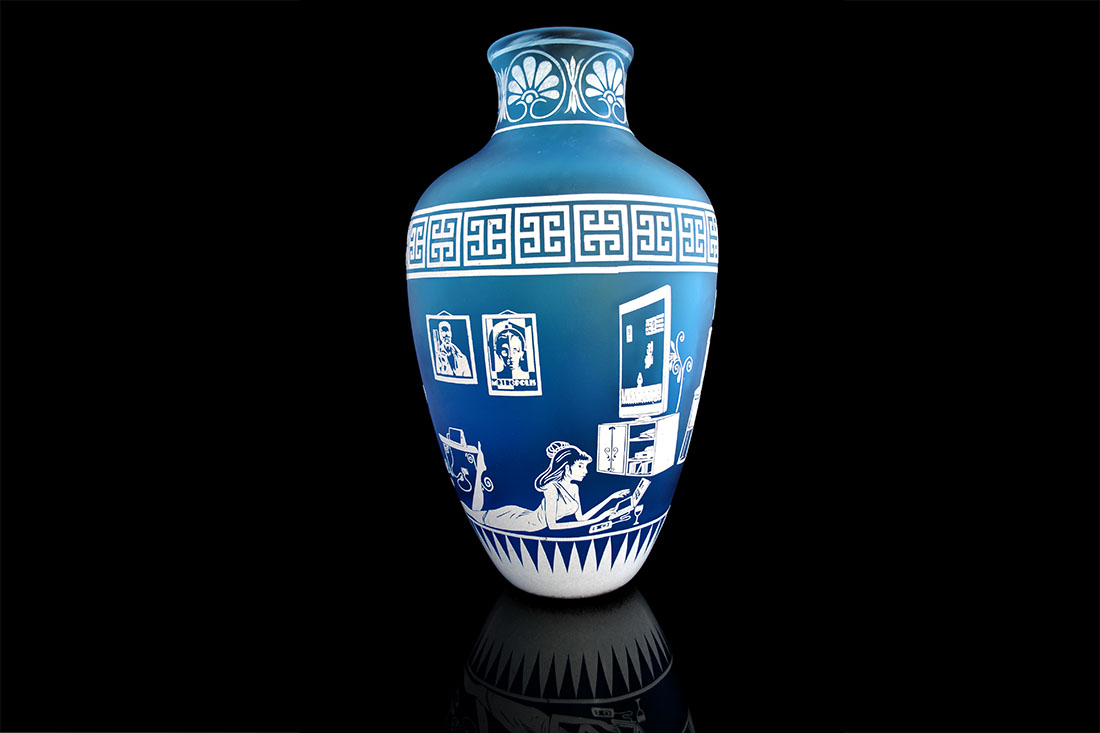
Jessica Murtagh, Modern Relic III: Quality time together (detail), apart, 2019, blown glass, sandblasted
Museums are filled with the remnants of past civilizations, depicting snippets of what daily life held, from the mundane to the heroic. I wonder what we will leave behind for future generations to unearth. Today we spend much of our time consumed with screens that offer distraction, comfort, information and ultimately isolation. My work explores the benefits technology provides and the distance it creates between people. How will our technologically driven lives be interpreted by future civilizations?

Image courtesy the artist

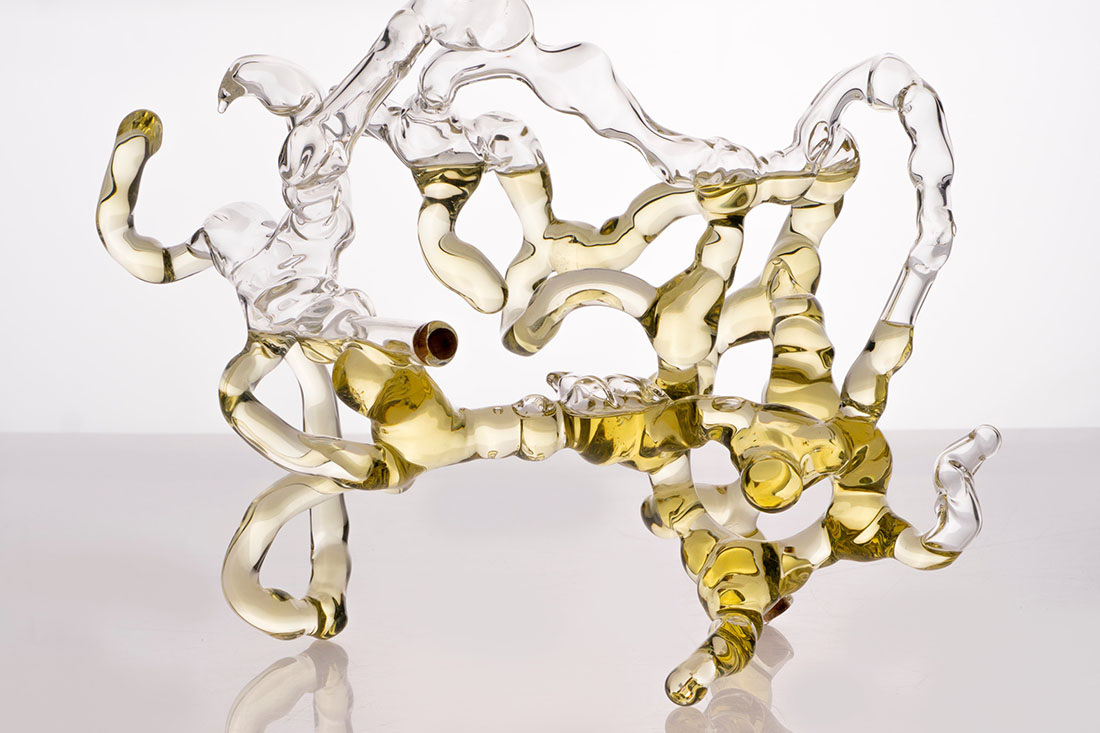
Jianzhen Wu, Holistic Therapy 3 (detail), 2019, lampworked borosilicate glass, essential oil, cork

Through the integration of holistic therapy and creative art processes, my work encourages a connection between mind and body. The meditative creative process allows me to release my negative energy and to stay in the current moment. The hollow glass form is filled with aromatic essential oil, which then diffuses through the cork stoppers. The primary negative energy transforms into sculptural object that soothes the audience through their scent—completing the cycle of healing.

Image courtesy Ella Maude

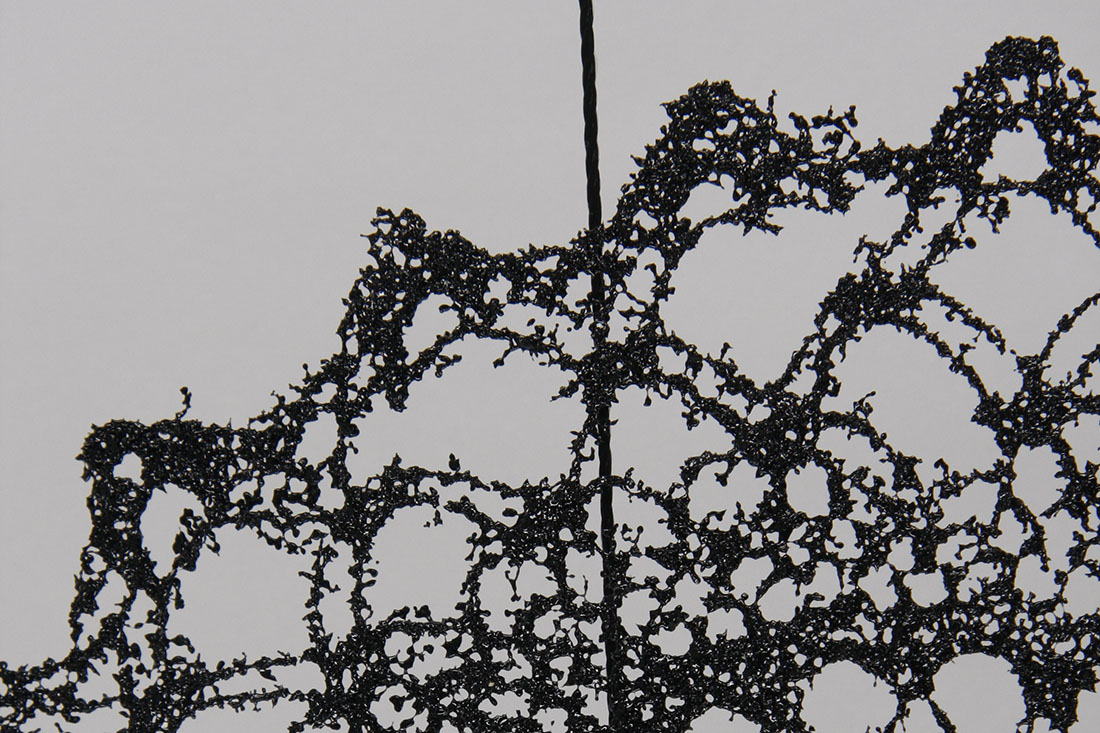
Kimberly Stuart, Hanging by a Thread (detail), 2019, glass powder and Frit, open faced Casting

Through the transformative nature of glass an investigation into the postpartum self has begun. A balancing act, both metaphorically and physically. Am I still me?
Or can I only see myself in the shadows… …of the lights that are now my love.
Hanging by a thread. Process driven with a focus on the maternal and feminine.
Fragile and delicate in appearance, crochet lace doilies demonstrate an inherently interwoven strength forged only through connectivity.

Image courtesy the artist

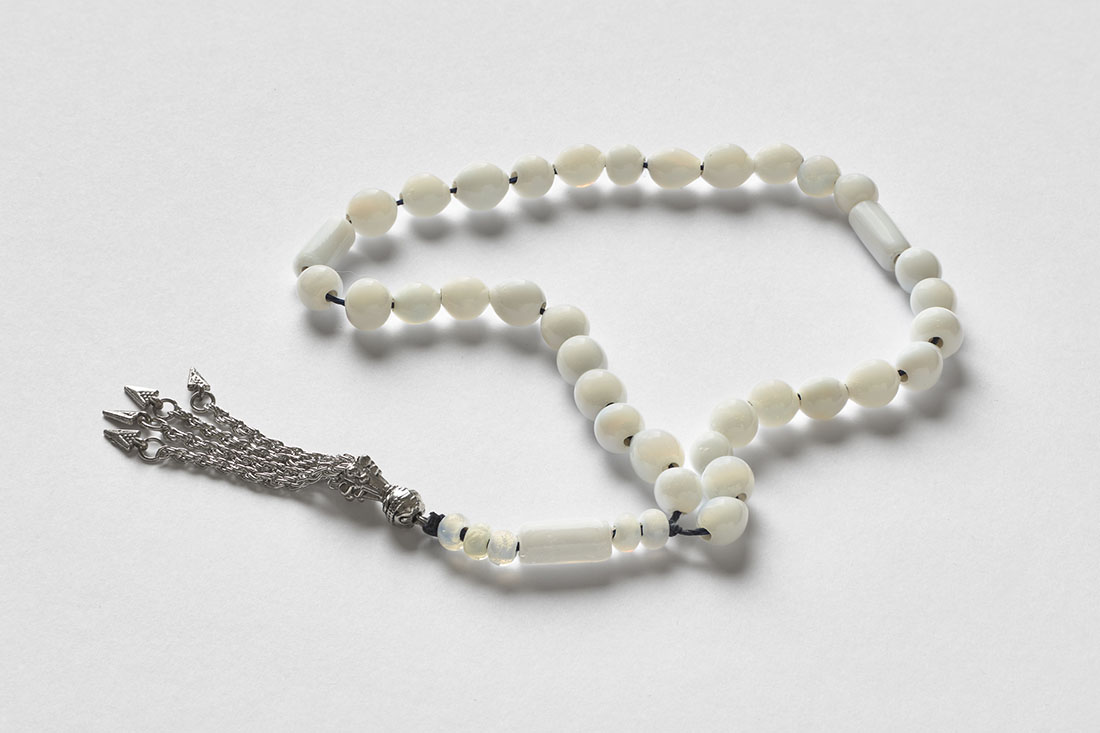
Lara Chamas, Backbone of Australia, 2019, Macroo Os glass, lampworked, thread, silver (infused with ethically sourced kangaroo bone)

Backbone of Australia is a handmade set of glass Islamic prayer beads, the glass infused with ethically sourced kangaroo bone, original creation of the artist.
The work is an exploration of transformation, highlighting the transitional states of belonging through life and faith, both the medium and practice of the work alluding to ritualistic processes. What started as subversivly “islamifying” a white colonial Australian icon, eventually became a serene merging of culture and icon; providing a deeper connection between the land we stand on and the heavens above.

Image courtesy Christo Crocker

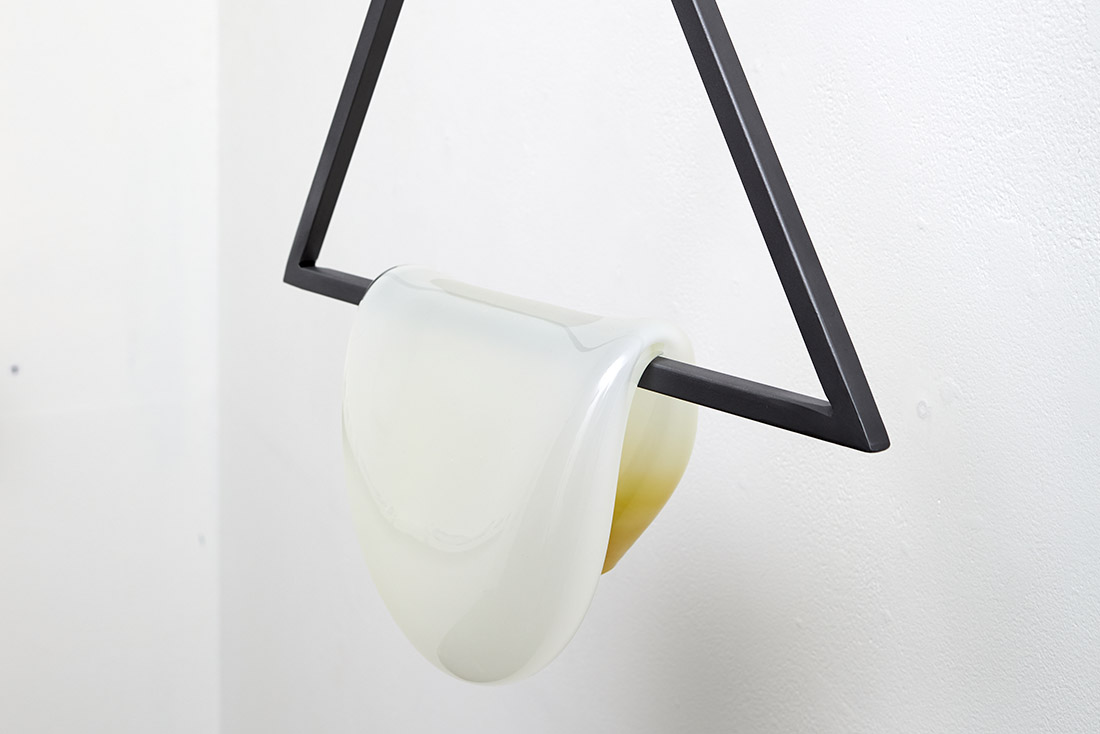
Laura Nolan, Threshold (detail), 2019, blown glass, steel

Threshold, is a blown glass and steel sculptural response to the limitations of the human will. The triangle is an ancient symbol for the body, mind and spirit. The material boundaries of the blown glass are pushed as it is folded over the steel structure. This method requires complete presence by the artist, transforming making art into a spiritual exercise. This practicing of presence can be undertaken in the making and viewing of art.

Image courtesy Ian Hobbs

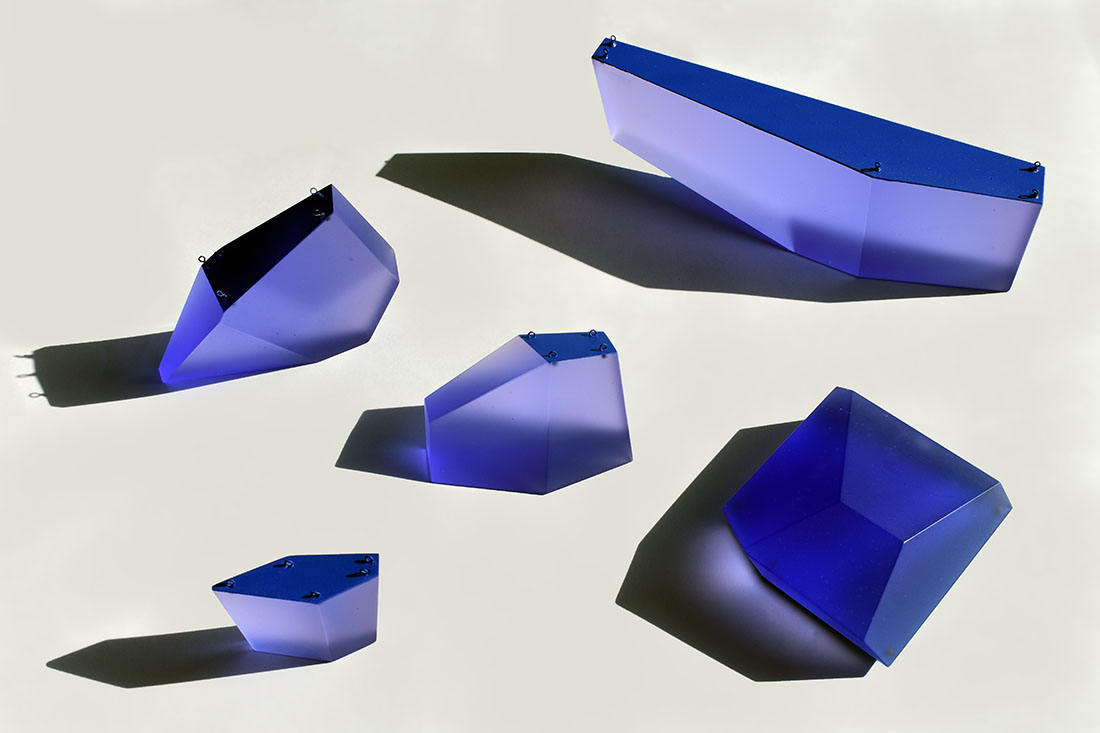
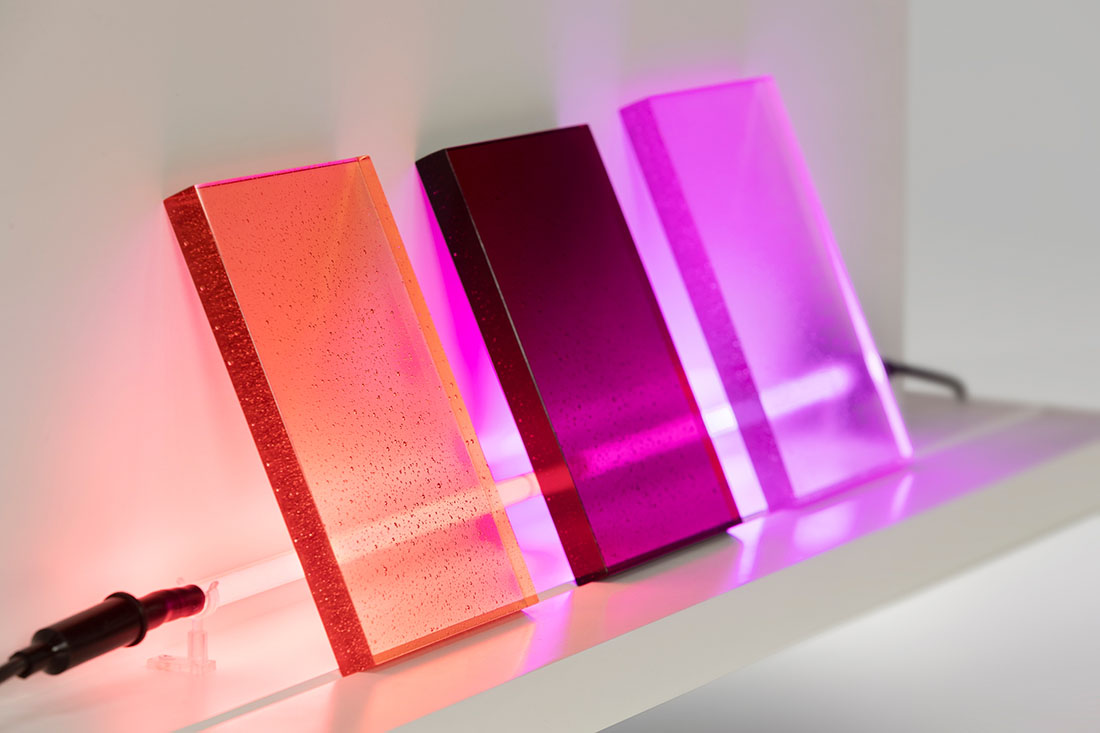
Louis Grant, Queer (vulnerability) (detail), 2019, kiln formed and cold worked glass, neon, wood, paint

Grant’s first work since graduating continues the same practice methodologies, a search for an authentic queer voice through the creation of a material voice. This search included shame and overcoming the shame of being gay. More active than previous work using neon and jewel like glass slabs. Three coloured slabs are polished allowing the light to refract and encompass them, shifting the perspective and colours of light, playing as metaphor for speaking shame and allowing vulnerability to come to light.

Image courtesty Ashley St. George - Adam McGrath

Madisyn Zabel, Blend, 2020, cast and painted glass, metal, string

Blend combines traditional craft techniques and digital technology to explore spatial relationships between three-dimensional objects and their two-dimensional representations. This work began with handmade cast glass objects which were re-imagined into string drawings that project the implied shadow of the object into space. Through the exploration of perception and vantage point, the individual components shift, and their appearances change. By combining glass and string imagery, my work explores the possibilities of shifting perception within and between object and drawing.

Image courtesy Madisyn Zabel

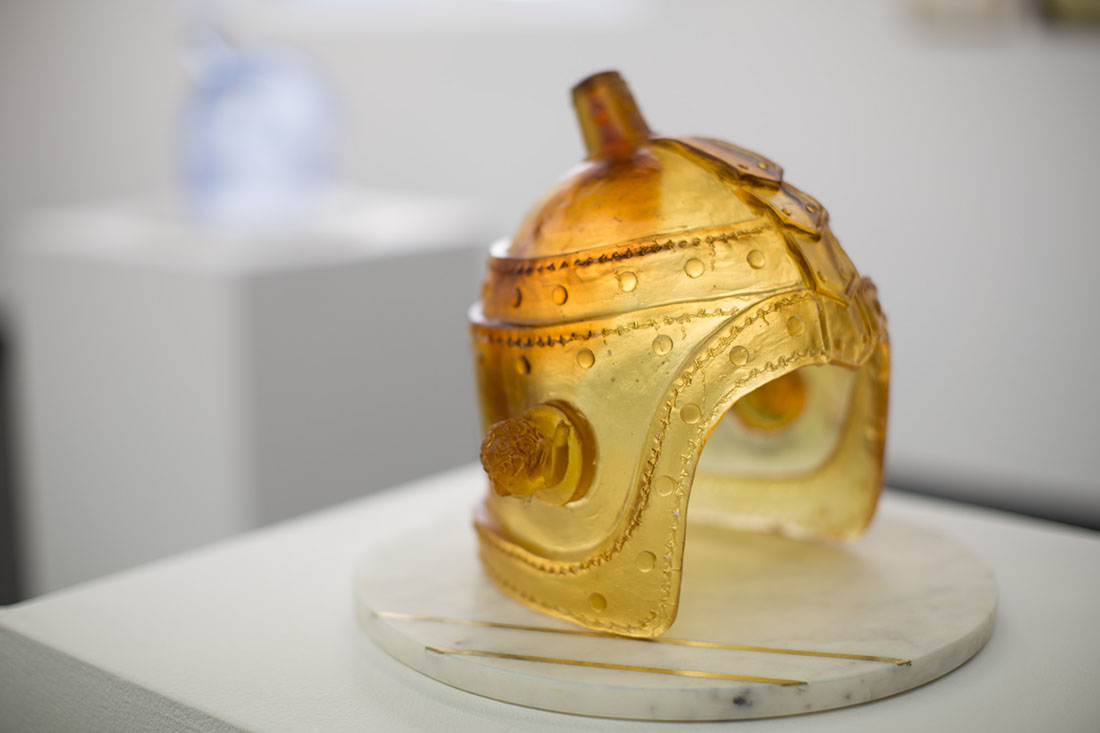
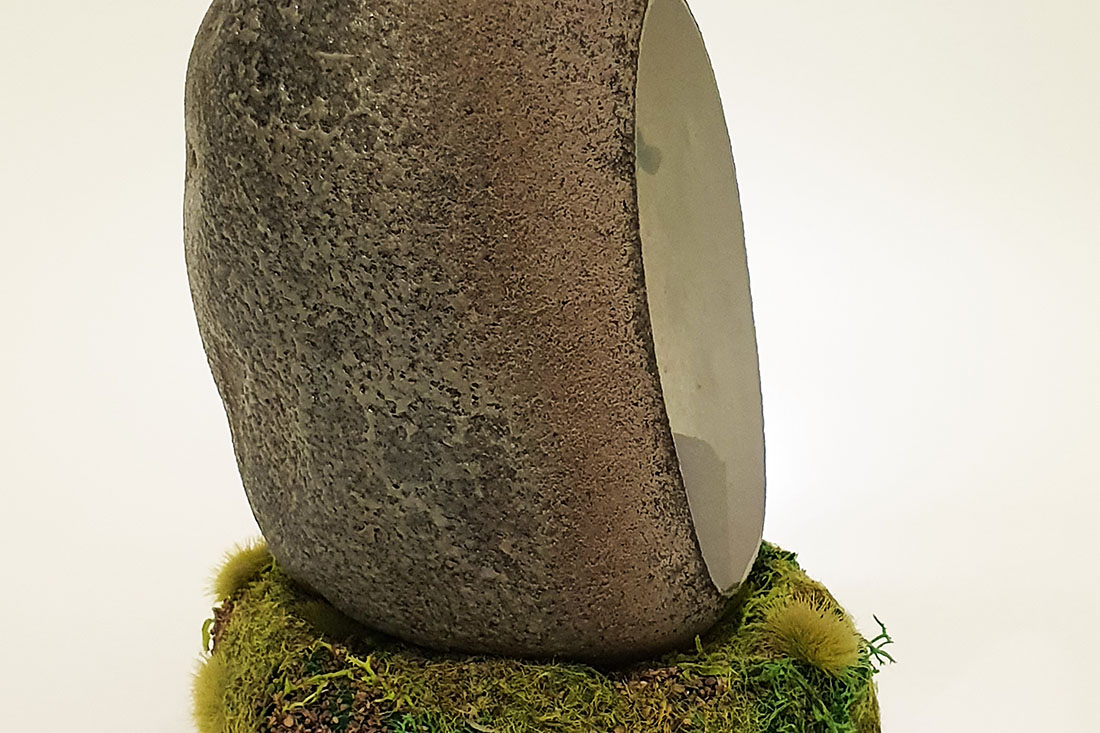
Mark Penney, Cremation Stone (detail), 2019, hot glass, felt, fake grass

The cremation stone is and exploration into the ways we can move forward with the design and production of memorial glasswork. This cremation geode paperweight depicts a plant sprouting from the ashes encased inside representing rebirth. By encasing the ashes within an object that engages the curiosity of the viewer can make it easier to generate conversation about death and the afterlife.

Image courtesy the artist

Nancy Yu, Head Case (Phantom of Ego series), 2019, cast lead crystal, marble

"I explore the way we deal with our ego; the tension between the image we think we project and the reality of our experiences donning the armour of pride.  Creating something that is ornamental and fragile rather than strong and solid, something heavy and burdensome rather than functional and light. I use glass to create a phantom of ego we wrap around ourselves for protection, letting its translucency show its lack of substance, and beauty show how high we elevate its importance."

Image courtesy Felix Esteban

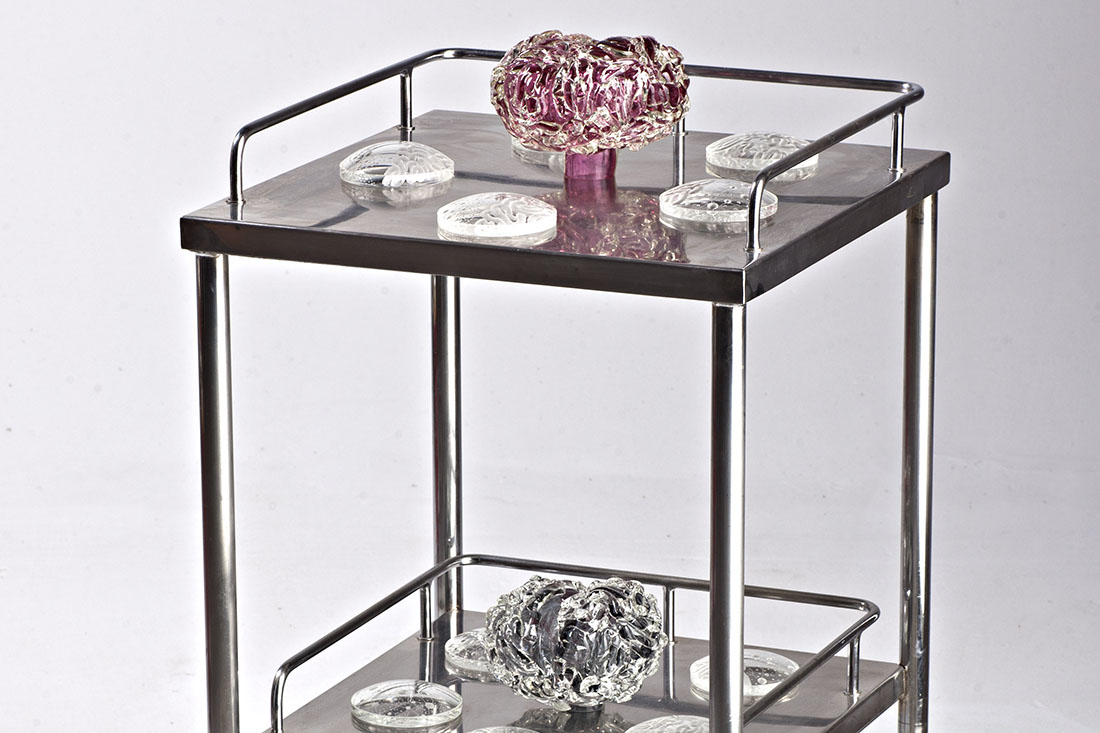
Naomi Hunter, Brains Trust 2019: Macro Micro (detail), 2019, blown and sculpted furnace glass, engraved optical lenses, metal trolley

It’s when the brain no longer functions as it once did, that its complexity becomes even more apparent. Two diseases attributed to the brain affect my immediate family. My father has Parkinson’s and my mother has Alzheimer’s.  In our brains we trust - for our family - this trust has been lost.

This work is the result of a 5 month residency with Neurologists at the South Australian Medical Research Institute.

Image courtesy Michael Kluvanek

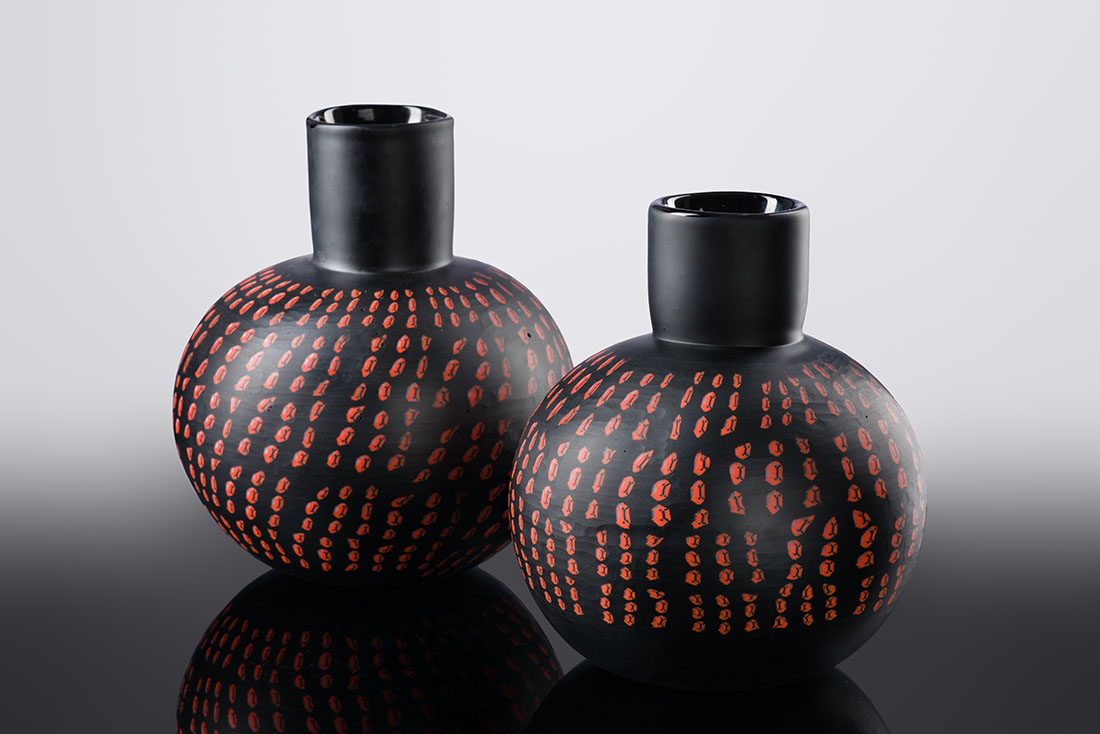
Nick Doran Adams, Zelda Pot 1&2, 2019, murrini blown

I am one of few artists who use this 8bit graphics from gaming/pop-culture to inspire my art. Zelda Pots 1&2 were created using the murrini technique. I make up a rod of glass; when cut, reveals a cross section of duplicates of the same image imitating to the way the original games were generated. It is then fused into a flat panel creating a pattern.  I create forms inspired by the games I am referencing.

Image courtesy Luis T Power

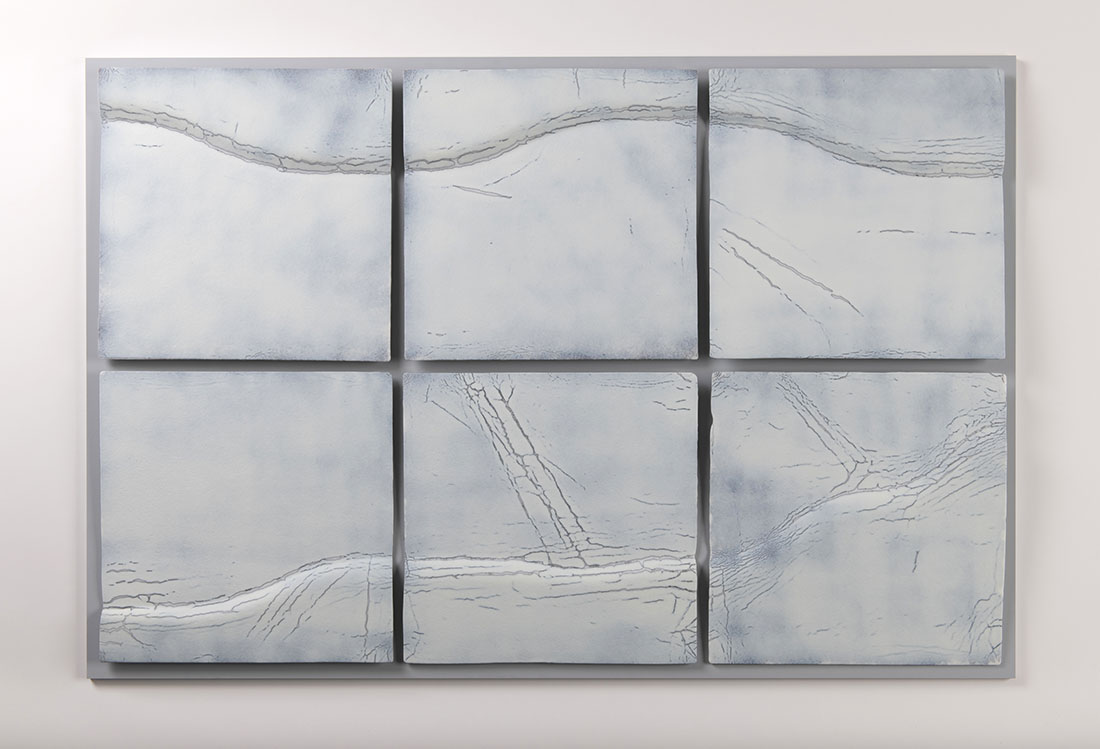
Rita Kellaway, Labyrinthine Vlll, 2020, kiln formed glass

Inspired by ancient mountains and rock formations, I aim to utilise the materiality of glass to evoke sensations of wonder in the representation of geological forms and imagery and their ancient origins.  Fine mark making and subtle highlights are created, through a series of kiln-forming processes, by exploiting the reactive properties of lead and sulphur-based glass.  These processes also mimic natural geological rock forming processes of sedimentation, intrusion and metamorphism.

Image couresty Michael Haines

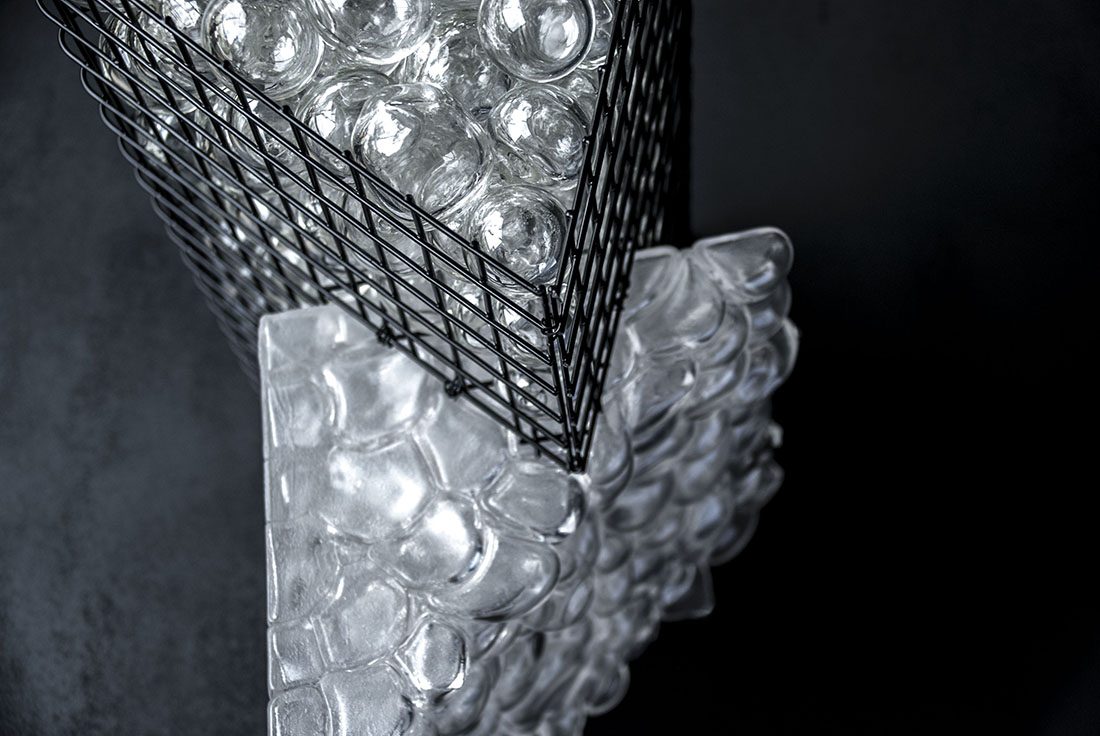
Robert Schwartz, Assembly (detail), 2020, blown and cast glass, steel

My work captures a fascination with the way structures in built environments are designed and constructed. Using glass, I examine how multiple processes can combine to gain structural integrity. Assembly presents basic forms constructed through repetition of interconnected components; the structure of each form uses the same simple element, maintaining their profile by opposing methods. The fused segment, with a strong internal structure, sits in contrast to the loose components contained by an exoskeleton, or gabion, structure. Both methods allow for the components to potentially stack infinitely.

Image courtesy the artist

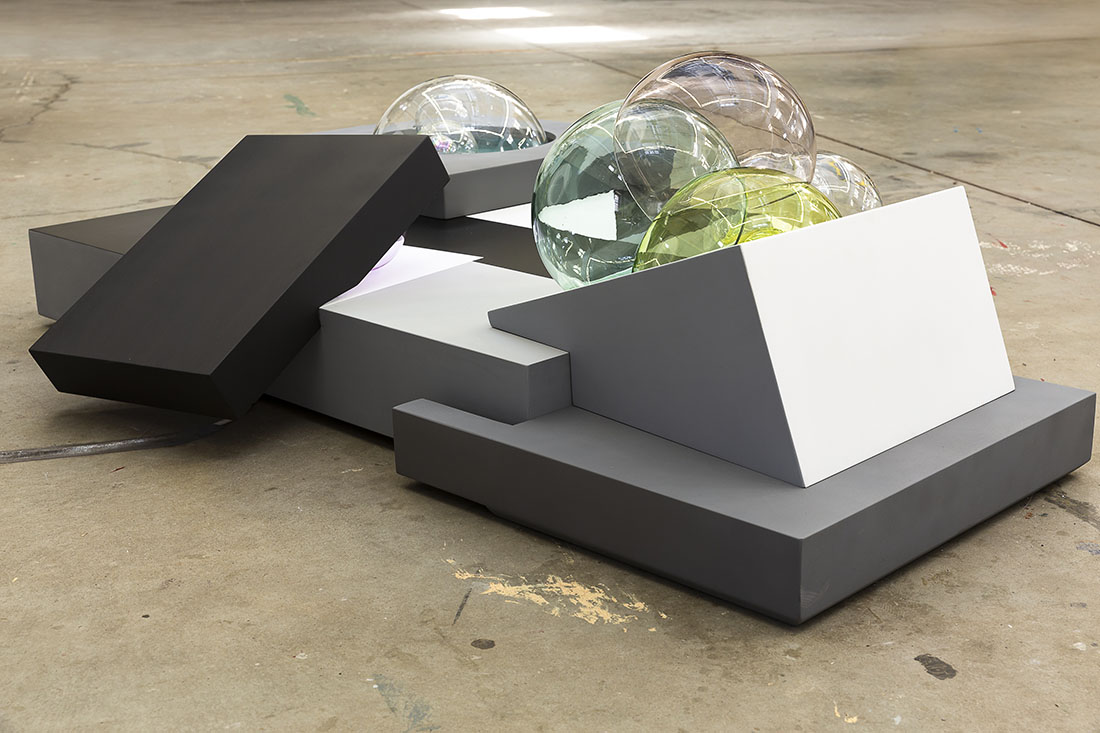
Tanya Reinli, Druck, 2019, glass, wood, steel mesh, spray paint

My work explores the Ludic ("play") in the context of expanded painting. This floor sculpture “Druck” brings together modernist tropes of reductive colour and geometric abstraction with the surprising element of delicately coloured hand-blown glass bubbles to explore the idea of mass, compression and surface illusion. My work uses 'play' as the foundation of making, combining different forms and materials to bring attention to their spatial and illusionistic qualities.

Image courtesy Sarah Kukathas

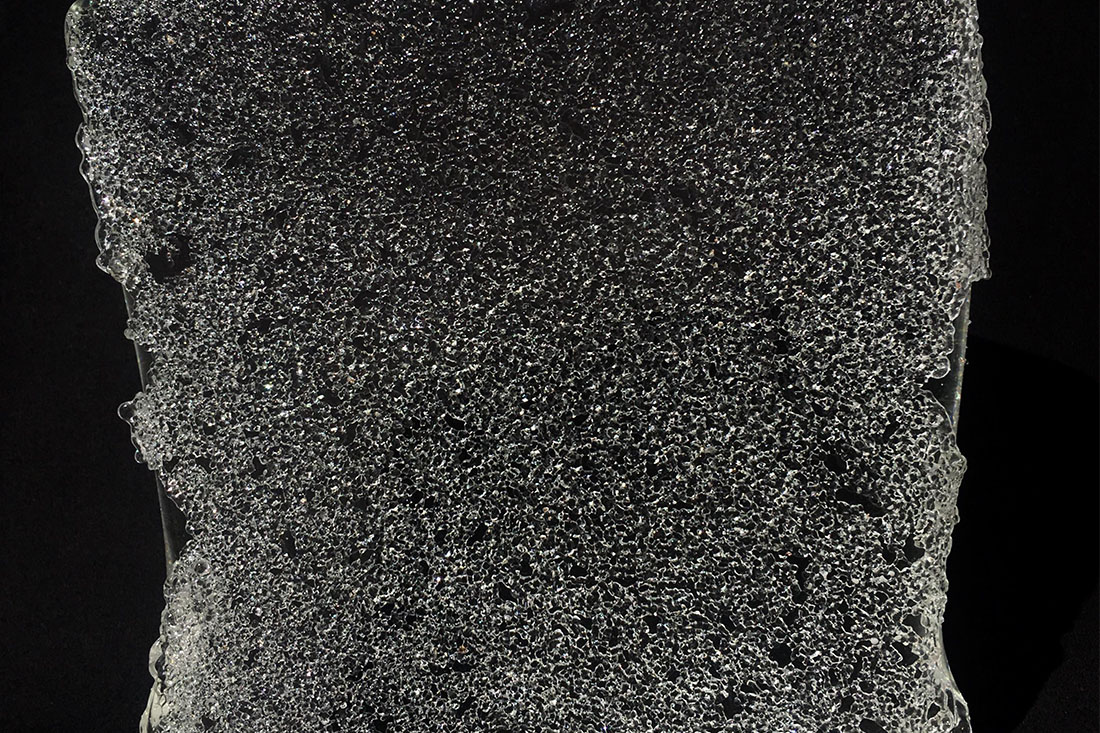
Tala Kaalim, Window of Granules (detail), 2019, hot sculpted glass

My work explores the Ludic ("play") in the context of expanded painting. This floor sculpture “Druck” brings together modernist tropes of reductive colour and geometric abstraction with the surprising element of delicately coloured hand-blown glass bubbles to explore the idea of mass, compression and surface illusion. My work uses 'play' as the foundation of making, combining different forms and materials to bring attention to their spatial and illusionistic qualities.

Image courtesy the artist